

Only Natural Pet Alternative for Food: What to Compare
Table of Contents
- Why Pet Owners Look for an Only Natural Pet Alternative for Food
- What to Compare Before Choosing a Natural Pet Food
- Natural Dog Food Alternatives: Kibble, Freeze-Dried, and Toppers
- Natural Cat Food Alternatives for Picky Eaters and Sensitive Stomachs
- Affordable Natural Pet Food: How to Judge Cost Per Day
- How to Transition Dog Food Without Digestive Upset
- Common Mistakes When Switching to a Natural Pet Food Alternative
- Frequently Asked Questions
Last Updated: October 18, 2026
Why Pet Owners Look for an Only Natural Pet Alternative for Food
When pet owners search for an Only Natural Pet alternative for food, they usually have a specific reason: a recipe was discontinued, a formula changed, a picky eater went on strike, or the cost per day crept past what felt reasonable.
The good news is that the natural pet food market now offers more genuine options than ever. The harder part is sorting real quality from marketing noise.
What to Compare Before Choosing a Natural Pet Food
Start with two questions: is the food nutritionally complete, and where do the ingredients actually come from? Those two answers eliminate most of the field before you ever compare price.
Nutritional Adequacy and Life Stage
Nutritional adequacy means the food meets established nutrient profiles for your pet's life stage, confirmed either by formulation or by feeding trials. The Association of American Feed Control Officials publishes the nutrient profiles that statement refers to.
What most guides miss is that "natural" and "complete" are separate claims. A food can be made with natural ingredients and still fall short on essential nutrients if it is labeled "for supplemental feeding only." Always check the adequacy statement before anything else.
Ingredient Quality and Sourcing
Ingredient sourcing tells you more than the ingredient list itself. A named protein like "chicken" or "salmon" beats a generic "meat meal," and a named fat beats "animal fat." Look for a named animal protein in the first few ingredients, and treat "byproducts" and unidentified fillers as a reason to keep reading.
Sourcing transparency matters too. Brands that name their suppliers or publish where proteins are raised give you something to verify. When a label is vague, that vagueness is usually deliberate. Our rule of thumb: if you cannot tell what animal the protein came from, assume the cheapest source available.
Natural Dog Food Alternatives: Kibble, Freeze-Dried, and Toppers
Most guides answer this query with a list of formats. That is not useful when you are standing in a store holding an empty Only Natural Pet bag. What you need is a shortlist of foods that can actually take its place, organized by why you are switching. Below are the practical alternatives, grouped by the reason most owners leave Only Natural Pet in the first place.
If You Want the Closest Like-for-Like Swap
Only Natural Pet built its dog line around named proteins, limited-ingredient recipes, and a mix of kibble, freeze-dried, and raw options. The closest replacements share that structure:
- Kibble with a named protein first. Look for a recipe where the first ingredient is a named animal protein such as chicken, salmon, or turkey, not a generic meal. This matches the label standard Only Natural Pet used and keeps the transition simple.
- Limited-ingredient kibble. A single animal protein plus a single carbohydrate source is the closest match for owners who chose Only Natural Pet for sensitivity reasons. These recipes make it easier to identify what your dog reacts to if problems appear.
- Freeze-dried raw as a full diet or topper. If your dog was on an Only Natural Pet freeze-dried recipe, a comparable freeze-dried food with a named protein and no added fillers is the nearest texture and palatability match.
If the Reason Is Budget
Only Natural Pet sits in the premium tier, so cost is the most common reason owners look elsewhere. The budget-friendly alternatives are not the cheapest foods on the shelf. They are the foods that keep a named protein and a complete-and-balanced statement while costing less per day. In practice that means:
- Large-bag kibble from a mid-tier brand with a named protein first and an adult-maintenance adequacy statement. Buying the largest bag your dog will finish before it goes stale is the single biggest cost lever.
- Kibble plus a topper instead of a full freeze-dried diet. You keep the palatability boost at a fraction of the per-calorie cost.
- Store-brand or house-brand natural lines that publish an adequacy statement and name their protein sources. These are the most common direct substitutes for owners who liked Only Natural Pet's positioning but not its price.
If the Reason Is Availability
Discontinued recipes and out-of-stock sizes push more owners to switch than any ingredient concern. When availability is the driver, prioritize foods that are stocked in multiple sizes and sold through more than one channel, so a single shortage does not force another switch. A food you can reliably reorder matters more than a marginally better ingredient panel.
If the Reason Is a Picky Eater
A dog that refused Only Natural Pet usually needs a palatability change, not a nutrition overhaul. The most reliable alternatives are:
- Freeze-dried raw toppers over the existing kibble, which adds aroma and texture without a full diet change.
- Wet food mixed in at roughly a spoonful per meal, which raises moisture and smell.
- A different protein rather than a different brand. Rotating from chicken to salmon or turkey often solves refusal faster than switching manufacturers.
If the Reason Is Ingredient Preferences
Owners who chose Only Natural Pet for its ingredient standards often want the same transparency elsewhere. The practical test is whether the brand names its protein sources and publishes where they are raised.
| Format | Best For | Convenience | Relative Cost Per Day | Transition Difficulty |
|---|---|---|---|---|
| Kibble | Everyday feeding, multi-pet homes | Highest | Lowest | Easy |
| Freeze-dried | Picky eaters, high-protein diets | High | Highest | Moderate |
| Food topper | Boosting palatability | High | Low to moderate | Very easy |
| Wet food | Hydration, seniors, dental issues | Moderate | Moderate to high | Easy |
A common mistake is treating freeze-dried food as a cheap upgrade. It is not. Per calorie, it usually costs the most of any format, which is why many owners use it as a topper rather than a full diet.
Natural Cat Food Alternatives for Picky Eaters and Sensitive Stomachs
Cats are a different problem entirely. A natural cat food alternative should lead with a named animal protein, stay low in unnecessary carbohydrates, and match the texture your cat already accepts.
Palatability is the deciding factor for cats. A nutritionally perfect food that your cat refuses is worth nothing.
For sensitive stomachs, smaller, more frequent meals during the transition help more than any single ingredient swap.
Affordable Natural Pet Food: How to Judge Cost Per Day
Affordable natural pet food is measured at the bowl, not on the shelf. A bag with a lower sticker price can cost more per day if it is calorie-dense and requires larger portions, or if your dog refuses it and you end up donating half the bag. The only fair comparison is cost per day at your pet's actual feeding amount.
The Cost-Per-Day Formula
Use this formula:
Cost per day = (bag price ÷ total cups in bag) × cups fed per day
Then adjust for waste. A food your pet eats reliably has a lower effective cost than a cheaper food that gets refused. Compare feeding guidelines on the label, since they vary by calorie density, and weigh your pet rather than guessing portions.
A Worked Example
Suppose a 24-pound bag costs $60 and contains about 96 cups, which works out to roughly $0.63 per cup. A 40-pound dog eating 3 cups per day costs about $1.88 per day, or roughly $56 per month. Now compare a 12-pound bag at $38 with about 48 cups, or about $0.79 per cup. The same dog at 3 cups per day costs about $2.38 per day, or roughly $71 per month.
Run the same math across formats before you decide:
- Kibble usually lands lowest per day because it is the most calorie-dense per dollar and has the longest shelf life.
- Freeze-dried lands highest per day because you are paying to remove water; it is best used as a topper unless your dog needs it as a full diet.
- Wet food sits in the middle but varies widely with can size and moisture content, so compare by calories, not by can count.
Bag Size and Waste
The largest bag is not automatically the best value. A 30-pound bag only saves money if your pet finishes it before the food goes stale, which is typically a few weeks after opening for dry food. Multi-pet homes and large dogs usually win with the biggest bag; single small dogs often lose. Buy the largest size your pet will finish, not the largest size on the shelf.
The Hidden Cost of a Refused Food
A food your pet refuses has an effective cost far above its sticker price, because part of every bag is wasted and you buy a replacement anyway. This is why a slightly more expensive food your pet eats reliably often beats a cheaper food that sits in the bowl. Weigh the first bag as a trial, not as a stock-up.
How to Transition Dog Food Without Digestive Upset
The safest way to transition dog food is a gradual swap over seven to ten days, mixing increasing amounts of the new food into the old. Sudden changes are the most common cause of vomiting and loose stools during a switch.
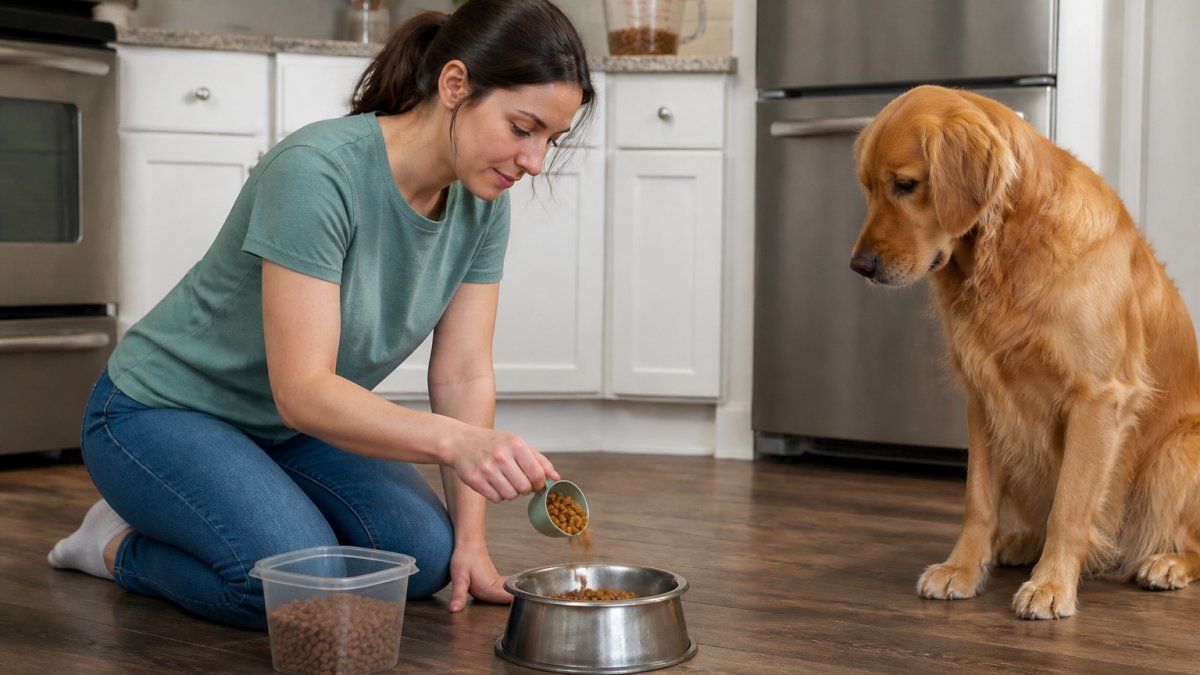
Follow this schedule:
- Days 1-2: 25% new food, 75% old
- Days 3-4: 50% new, 50% old
- Days 5-6: 75% new, 25% old
If your dog has a sensitive stomach, stretch each stage to three days.
Common Mistakes When Switching to a Natural Pet Food Alternative
The biggest mistake is switching too fast. The second is assuming "natural" means "complete." A third is buying a large bag of a food your pet has never tried.
Here is what we see most often, and how to avoid it:
- Skipping the adequacy statement. Confirm complete and balanced nutrition for your pet's life stage before buying.
- Ignoring calorie density. A richer food means smaller portions; overfeeding causes weight gain and upset.
- Buying in bulk too soon. Start with the smallest bag until your pet accepts the food.
Paw Print Pet Supply was built around exactly this frustration. We carry a curated selection of feeding essentials chosen against a personal quality standard, offer free shipping on orders over $50, and back every order with a 30-day return policy. If you are unsure where to start, our dedicated team is available for pet-supply questions.
Frequently Asked Questions
What are good alternatives to Only Natural Pet food?
Good alternatives depend on what you want to change. If you want more protein variety, look for natural pet food with named animal proteins first on the label. If cost is the issue, compare cost per day rather than bag price. If your pet has sensitivities, look for limited-ingredient formulas. Always check for a nutritional adequacy statement on the package, and confirm the food matches your pet's life stage. A food that meets AAFCO standards and fits your budget is a stronger choice than one that only sounds premium.
How can I switch my pet to a different food safely?
Plan a gradual transition over seven to ten days. Start with about 25 percent new food mixed into 75 percent old food for the first few days. Move to a 50/50 split, then 75 percent new, then all new. Watch for loose stools, vomiting, or itching, and slow down if any appear. For sensitive pets, stretch the timeline to two weeks. Keep the old food on hand in case you need to pause. This approach applies to both natural dog food alternatives and natural cat food alternatives.
How do I know if a natural pet food is complete and balanced?
Look for a statement on the package saying the food is complete and balanced for a specific life stage, and that it meets AAFCO nutrient profiles or passed a feeding trial. That statement is the clearest signal of nutritional adequacy. The word natural alone does not guarantee complete nutrition. Check the guaranteed analysis for protein, fat, and fiber, and confirm the food is labeled for your pet's age group. If the label is vague, ask the manufacturer for the full nutritional adequacy statement.
Is affordable natural pet food worth it compared to premium brands?
Price and quality do not always move together. Calculate cost per day using the feeding guidelines and your pet's weight, then compare that number across brands. A food with a named protein source, a clear nutritional adequacy statement, and no long list of fillers can cost less per day than a premium bag with a lot of marketing. Buy the smallest bag first to test palatability and digestive tolerance before committing to a larger size.
Switching foods is stressful enough without guessing which label to trust. Paw Print Pet Supply takes the guesswork out by carrying only products that meet our quality and ingredient transparency standard, with free shipping over $50 and a 30-day return policy if your pet disagrees. Browse our curated feeding selection and find an Only Natural Pet alternative for food that fits your pet, your routine, and your budget.